About
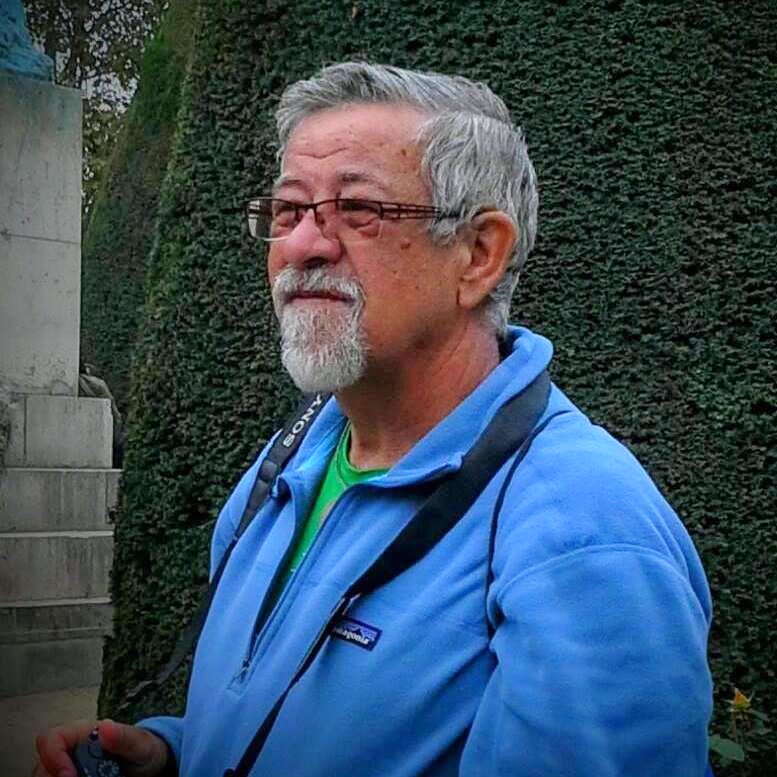
Robert G. Longpré
It’s all about roots. A writer draws upon him/herself and the world around her/himself. Perhaps, more importantly, a writer draws unconsciously from within, the personal unconscious tied to a deeper and vaster collective unconscious.
My roots are deep within Canada. My heritage comes from French, English, Scottish, Irish, Spanish, and First Nations peoples. These roots are the wells from which I draw in order to craft my stories, both fiction and non-fiction. It can’t be any other way.
As one of the significant influencers in my life, James Hollis, a Jungian psychoanalyst, put it:
“Whatever reality may be, it will to some extent be shaped by the lens through which we see it”.
The lenses through which I see the world include family, Jungian psychology, French-Canadian culture, Indigenous traditions, Buddhism, Christianity, extensive travel, and photography.
In the pages, found in the menu above, you will be able to learn about my books and learn about my latest book writing projects, as well as my life as a writer and advocate for Canadian writers.
~
With all of that said, it’s time to say a bit more about who I am. To begin with, I am married to an incredible woman. Last summer we celebrated our 54th wedding anniversary with our three children, their spouses, and our grandchildren, with three of them now married. Just an aside, I was the marriage commissioner for all three of those marriages. As of early 2025, I became a great-grandfather.
I am a retired Canadian educator and mental health counsellor. Since my retirement I have immersed myself in various writing projects as well as travel around the world with my wife. I live on the Canadian prairies in a small prairie town, the site of my last position as a school principal. I now have a small publishing business called Retired Eagle Books. Why “Retired Eagle?” The school uses the Eagles for their team names. I retired from the school and became the Retired Eagle.
My distant aboriginal roots are best described as Ojihawk, a blend of both Ojibwe [Anishinaabe] and Mohawk [Haudenosaunee]. My European roots are French, Scottish, Irish, Spanish, and English with most of that rooted in the Celtic world. Now, just to be clear, I am all these things, not cherry-picking a preferred root for some socio-economic advantage.
My journey as a writer began in the late sixties while I was a teenager in Ottawa, Canada. Like so many teenagers, I wrote poetry, a few songs, and essays which could only be labelled as “resistance” writing. I found an outlet in a youth journal called, Left-Centre where I began to publish some of my writing.
In the early seventies, I turned to writing editorials for a small prairie newspaper, while still writing poetry and a few attempts at crafting stories, none of which survived.
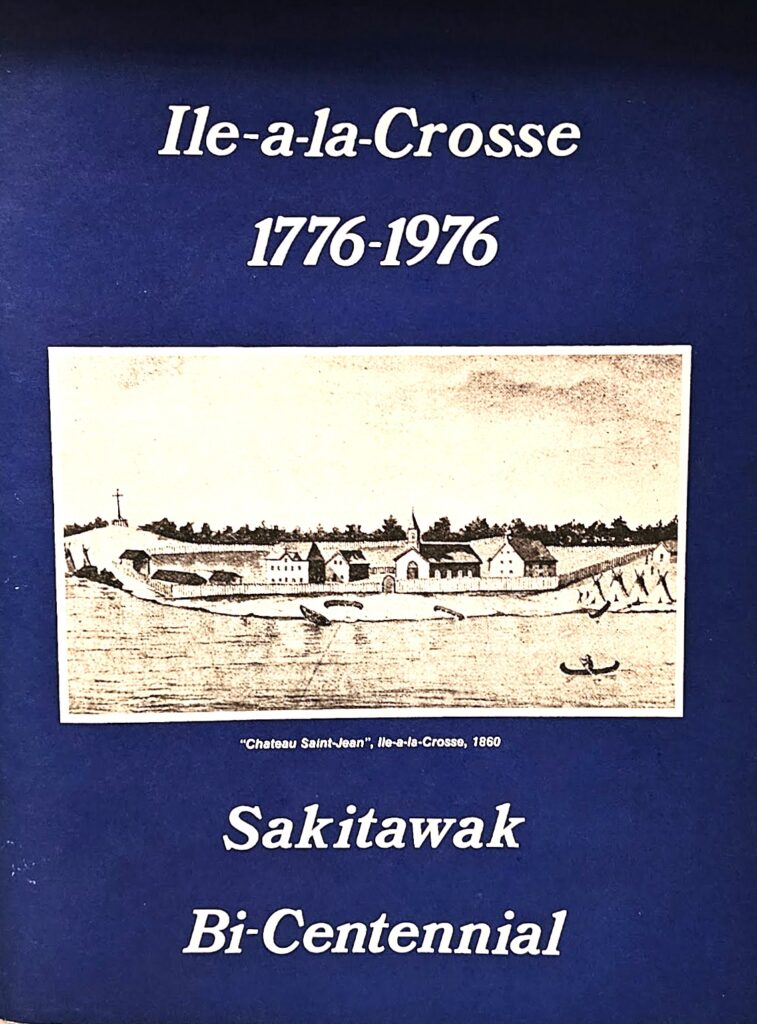
Then in 1976, I was given a commission to write the social history for the Métis community of Ile-a-la-Crosse. The book was called Sakitawak. The book is available from the Ile-a-la-Crosse town office, or it can be read online, using the link seen above. The book is currently found in numerous colleges and universities, and has been used in Métis education courses in the province.
With retirement from teaching, I have made writing my profession [my wife calls it my hobby – LOL!]. I have written various books and booklets, chapbooks of poetry, a three-book series that is autobiographical, a Jungian psychology novel series, short stories, and a number of stand-alone books: fiction and non-fiction..
I write with a strong focus on the psychological condition. I was influenced by the Russian novelists – Dostoevsky and Tolstoy. Thrown into the foundational mix is a collection of existentialists and dead philosophers, and Buddhism texts. Jungian psychology, Buddhism, and philosophy weigh in to add substance to the scenes and the characters found within my writing. If anything, my work speaks to the human condition of life in the twenty-first century.